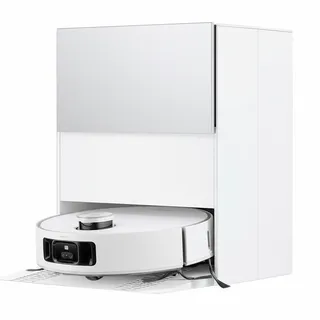
Dreame Aqua10 Ultra Roller
- mopping self empty mop washing mop drying lidar obstacle avoidance no go zones multi floor carpet boost
Released 2025
Suction
30,000 Pa
Battery
175 min
Navigation
VersaLift Lidar & 2 HD AI Cameras
Mopping
1 Roller
Full Specifications
| Suction Power | 30,000 Pa |
| Battery Life | 175 min |
| Dustbin Capacity | 220 ml |
| Navigation | VersaLift Lidar & 2 HD AI Cameras |
| Robot Height | 3.84" |
| Threshold Climbing | 80 mm |
| Brush Roll | HyperStream Detangling DuoBrush |
| Mopping | 1 Roller |
| Mop Raising Height | 14 mm |
| Self-Empty Dock | Bagged |
| Dock Bag Capacity | 3.2 L |
| Mop Washing | Hot Water |
| Mop Drying | Yes |
| Obstacle Avoidance | Yes |
| Objects Recognized | 240 |
| Multi-Floor Maps | Yes |
| No-Go Zones | Yes |
| Carpet Boost | Yes |
| HEPA Filter | Yes |
| WiFi | 2.4 GHz |
| Voice Assistants | Alexa, Google |
| Warranty | 3 years |
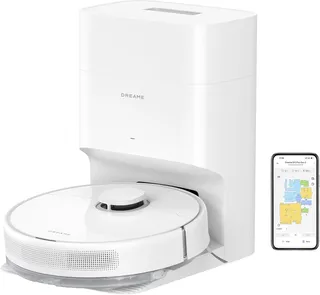
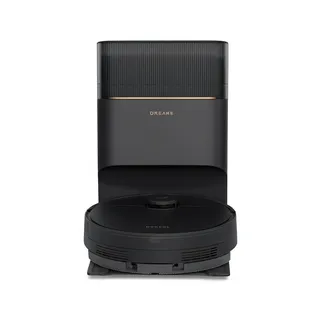
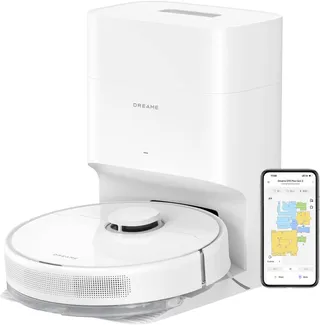
Compare with similar models:
Dreame Aqua10 Ultra Roller: A New Approach to Robot Mopping
The Aqua10 Ultra Roller represents Dreame’s most ambitious attempt yet at solving robot mopping’s biggest problem: dirty water. Instead of dragging the same mop pad across your floors (getting progressively grimier with each pass), this robot uses a continuously-cleaned roller that stays fresh throughout the entire job. It’s a compelling idea—but does the execution justify the $1,599 price tag?
The Basics
Dreame launched this flagship in late 2025, positioning it as the ultimate solution for homes with lots of hard flooring. The robot measures about 13.8 inches in diameter and stands 3.84 inches tall with its retractable LiDAR tucked down (rising to 4.72 inches when raised). At 12.8 pounds, you’ll definitely notice the heft when picking it up. The base station is substantial too—24.5 pounds and roughly 16.5 by 17.3 inches, standing nearly 20 inches tall.
The robot comes only in white and is sold through Dreame’s authorized channels in North America and Europe. A non-Ultra version exists with fewer features, but the Ultra Roller is the full package. Dreame backs it with a 3-year warranty on the robot and base—notably longer than the industry-standard one year—though batteries get just 12 months of coverage.
What Makes This Robot Different
The Roller Mop System
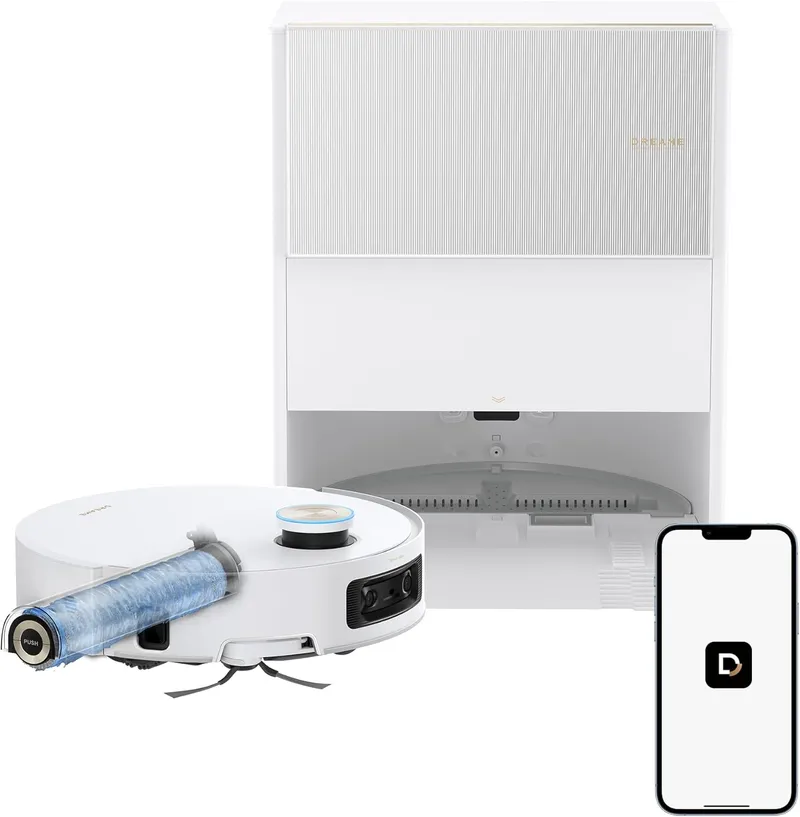
Here’s where things get interesting. Traditional robot mops use pads that pick up dirt and then… keep mopping with that same dirty pad. The Aqua10 takes a different approach: a full-width microfiber roller (about 10 inches long) that’s continuously fed fresh water through 12 micro-nozzles while a scraper simultaneously removes dirty water into a separate tank.
The result? No dirty streaks, no residual haze on tile or marble. In lab testing, this system scored dramatically better than pad-based competitors on stain removal—280 points versus 184 for typical robots. Vacuum Wars called it “the best mopping score we’ve ever seen.”
The roller applies 9-11 Newtons of downward pressure and adjusts dynamically based on floor type. Behind it sits a secondary “FluffRoll” brush that combs the mop fibers to prevent matting and extend the roller’s life.
Protecting Your Carpets
When the robot detects carpet, two things happen simultaneously: the roller lifts about 14mm off the floor, and a motorized shutter (Dreame calls it “AutoSeal”) covers the wet roller entirely. This dual approach works remarkably well—rugs stay dry even during combined vacuum-and-mop runs. For very thick carpet (over about 1.2 inches), Dreame recommends using no-mop zones just to be safe.
Serious Suction
The 30,000 Pa maximum suction rating is among the highest available in robot vacuums. Real-world testing backs this up: the Aqua10 removed 86% of embedded sand from medium-pile carpet (versus about 76% average) and picked up 93% of embedded pet hair compared to an 81% average. One owner noted it “picks up stuff I didn’t even know was there.”
The HyperStream DuoBrush design actively resists hair tangles, flinging strands into the suction duct rather than wrapping them around the roller. Lab testing achieved TUV-certified “0% hair tangle” results, though extreme stress tests with 7-inch hair strands did show some clogging at the intake.
Smart Navigation
A retractable LiDAR sensor handles mapping and navigation, while dual AI cameras and a 3D structured-light sensor with LED illumination power the obstacle avoidance system. Dreame claims recognition of over 240 object types—cables, shoes, pet toys, even pet waste—with about 1mm precision.
The retractable design serves a practical purpose: by lowering the sensor, the robot can squeeze under furniture with as little as 4 inches of clearance. It raises back up automatically when it emerges.
The Base Station
This isn’t just a charging dock—it’s command central for hands-free maintenance. After each cleaning session (or mid-run if needed), the robot returns for a hot water wash at about 212°F, followed by hot air drying at 158°F. A scrubbing plate and nozzle jets clean the roller, then a wiper removes dirty water. The 37-decibel drying fan is quiet enough that you might barely hear it from the next room.
The base handles dust automatically too, vacuuming the robot’s 220ml dustbin into a 3.2-liter bag that can last roughly 100 days before replacement. It even blows heated air through the bag to prevent mold and odors.
Water tanks are generously sized: 4 liters clean, 3.5 liters dirty. A dual-compartment dispenser automatically doses floor cleaner and pet odor eliminator into the mop water—Dreame includes starter bottles of both.
The App Experience
The Dreame Home app offers remarkable control: 32 levels of water flow, room-specific settings, scheduling by room, specialized modes for carpet and stain detection. You can set it to vacuum bedrooms daily but mop the kitchen twice a day, or avoid mopping the hallway on Tuesdays.
This depth comes at a cost. Gizmodo found the interface “labyrinthine” and unintuitive for casual users, with basic functions buried among toggles for pet features and carpet settings. Vacuum Wars, conversely, praised the interface as clean and easy to use—suggesting the learning curve may vary significantly with familiarity.
Voice control works with Alexa, Google Assistant, and Siri Shortcuts. The robot also responds to “OK, Dreame” for on-device commands. Matter smart home support was advertised at launch but wasn’t actually active yet.
Pet-Friendly Features
Pet owners are clearly a target demographic here. The Pet Care 4.0 suite includes automatic recognition of pet areas like food bowls and litter boxes, with boosted suction or extra passes in those zones. A Pet Monitoring mode lets you remote-view your home through the robot’s camera and even have it hunt for your pet.
The “Pet Moments” feature snaps photos of pets encountered during cleaning—though reviewers found this inconsistent, with only a couple of images captured in testing.
For the practical stuff: the robot avoided pet waste reliably in testing (no smearing disasters), and the pet-safe cleaning solution is formulated to neutralize odors without harsh chemicals.
Real-World Performance
Where It Excels
Mopping is genuinely excellent. Owners report floors that look visibly cleaner with “no gross streaky marks.” The constant refreshing of the roller means even large sticky spills get tackled without smearing. Lab tests confirmed superior stain removal and significantly less residual water compared to pad-based systems.
Pet hair pickup is outstanding—93% of embedded pet hair from carpet, placing it among the top robot vacuums for pet owners. The anti-tangle brush means fur ends up in the dust bag rather than wrapped around the roller.
The obstacle avoidance system proved its worth in testing, dodging 21 of 24 placed obstacles (shoes, cords, toys, pet waste models)—tied for 4th best among dozens of robots tested. In practice, owners report far fewer “rescues” from stuck situations.
Threshold climbing is exceptional. The robot can lift its chassis and deploy auxiliary wheels to climb obstacles up to 1.65 inches, and multi-tier thresholds up to 2.36-3.15 inches under ideal conditions. One user reported their tough sunroom lip transition was conquered successfully.
Where It Falls Short
Navigation speed lags behind other flagships. The robot covers significantly fewer square feet per minute than average, moving methodically and often spinning in place to double-check orientation. For very large areas, expect longer cleaning times or mid-job recharges.
Battery efficiency reflected this: one test saw only about 700 square feet per charge versus roughly 1,100 for average robots. The rated 175-180 minute runtime rarely translates to equivalent coverage because of the intensive cleaning processes.
The 220ml dustbin is notably small—about a coffee cup’s worth of dirt. This isn’t a problem with the auto-empty system running, but if the base is offline, it fills quickly.
Some contradictory reports exist about vacuum performance. While lab tests showed strong pickup ability, Gizmodo’s reviewer found the robot missed debris and even dropped bits it had collected back onto the floor. This discrepancy likely stems from navigation quirks in their test unit rather than fundamental hardware problems.
Known Issues
The most significant documented problem involves water leaking from the base during mop cleaning cycles. Multiple users reported dirty water dripping underneath the base, with some cases creating puddles that damaged flooring. Dreame has acknowledged this issue and suspects manufacturing tolerances or faulty seals, offering replacements under warranty.
Some units exhibited docking problems—spinning in circles near the base or wandering until the battery died instead of charging. Gizmodo’s test unit failed to dock properly more than half the time. This appears to be a software issue that firmware updates have addressed, and wider user feedback suggests it’s not universal.
A few early adopters reported false sensor errors—the robot pausing to claim the dustbin was missing when it wasn’t, or stopping for phantom obstacles. These seem to be early-batch quality control issues rather than systematic flaws.
Maintenance Reality
Day-to-day upkeep is minimal thanks to the base station: refill clean water weekly, empty dirty water weekly (or when prompted), swap the dust bag every few months. The mop roller self-cleans but benefits from occasional removal for inspection. The main brush rarely needs attention thanks to its detangling design.
The base station itself needs periodic care: wipe the mop wash tray and scraper every week or two to remove accumulated grime. Filters may need rinsing, and the dirty water sensor helps prevent overflow.
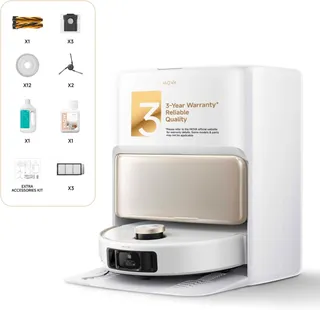
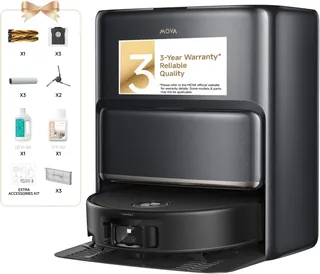
Dreame includes a generous starter kit: two dust bags, a washable roller mop, the main DuoBrush, two side brushes, two HEPA filters, a cleaning tool, and two 1-liter solution bottles. Replacement costs run moderate for this class—roughly $80-$150 annually for bags, fluids, and occasional replacement parts using official consumables.
How It Compares
At roughly $1,500, the Aqua10 Ultra competes directly with:
Roborock S8 Pro Ultra (~$1,299): Uses vibrating twin pads instead of a roller. More refined navigation and fewer docking issues, but mopping isn’t as deep-cleaning. If vacuuming on carpet is your priority, the S8 Pro might edge ahead; if mopping matters most, the Aqua10 wins.
Dreame L50 Ultra (~$1,699): Dreame’s other flagship uses twin pads with hot water washing. Vacuum Wars ranked it higher overall due to faster navigation and fewer issues, but its mopping isn’t as revolutionary as the continuous roller.
Dreame L40s Ultra (~$799 on sale): A mid-range option that gives you about 80% of the functionality at half the price—just not the same deep mopping or fancy AI.
Mova Z60 Ultra (~$999): An emerging brand (possibly using Dreame tech) with a similar roller mop system at a significantly lower price. Worth researching if the Aqua10’s premium feels steep.
Who Should Buy This
The Aqua10 Ultra Roller makes sense for homes with extensive hard flooring that needs regular mopping, pet owners dealing with daily messes, and anyone who genuinely wants minimal manual floor care. The roller mop system delivers meaningfully better results than pad-based alternatives.
It’s harder to recommend if you have mostly carpet, a small living space (the base station alone is a significant presence), or if you prefer proven technology over first-generation innovation. The documented issues—particularly the water leaking reports—warrant consideration, even with Dreame’s responsive warranty support.
The technology here is genuinely impressive. Whether it’s worth $1,599 depends entirely on how much you value truly clean hard floors and how comfortable you are being an early adopter. For the right buyer, it’s a glimpse of where robot mopping is heading. For others, waiting for a second-generation version—or opting for a less ambitious alternative—may be the wiser choice.