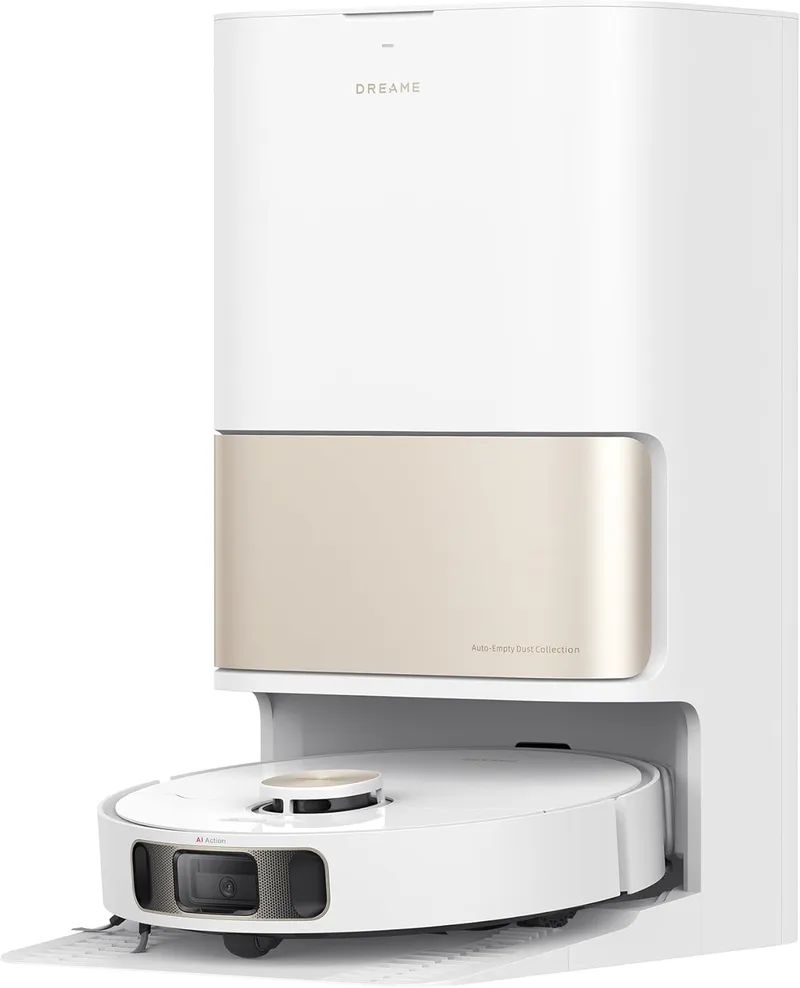
Dreame L10s Ultra Pro Heat
Suction
7,000 Pa
Battery
220 min
Navigation
Spinning Lidar
Mopping
2 Spinning Pads
Full Specifications
| Suction Power | 7,000 Pa |
| Battery Life | 220 min |
| Dustbin Capacity | 350 ml |
| Navigation | Spinning Lidar |
| Robot Height | 3.8" |
| Threshold Climbing | 20 mm |
| Brush Roll | Single |
| Mopping | 2 Spinning Pads |
| Mop Raising Height | 10.5 mm |
| Self-Empty Dock | Bagged |
| Dock Bag Capacity | 3.2 L |
| Mop Washing | Hot Water |
| Mop Drying | Yes |
| Obstacle Avoidance | Yes |
| Objects Recognized | 55 |
| Multi-Floor Maps | Yes |
| No-Go Zones | Yes |
| Carpet Boost | Yes |
| HEPA Filter | Yes |
| WiFi | 2.4 GHz |
| Voice Assistants | Alexa |
| Warranty | 1 year |
Compare with similar models:
Dreame L10s Pro Ultra Heat
The Dreame L10s Pro Ultra Heat packs flagship-level features into a surprisingly affordable package. Unveiled at CES 2024, this robot vacuum and mop combo has become a standout value proposition, often selling for $500 or less during sales (down from its original $1,050 MSRP). What makes it special? Hot water mop cleaning, extending mop pads that reach edges, and obstacle avoidance sharp enough to dodge your kids’ toys and your cat’s favorite hiding spots.
Design and Dimensions
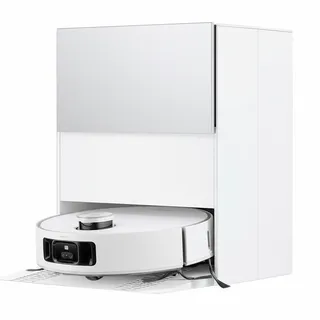
The robot itself measures 350x350x97 mm (roughly 13.8x13.8x3.8 inches) and weighs 4.1 kg (9 lbs). That LiDAR turret on top means you’ll need about 4.3 inches of clearance under furniture. The base station is substantial: 456.7x340x590.5 mm, weighing 9.2 kg. Plan for an 18x13.4-inch floor footprint and 23 inches of height.
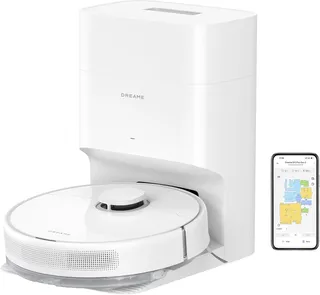
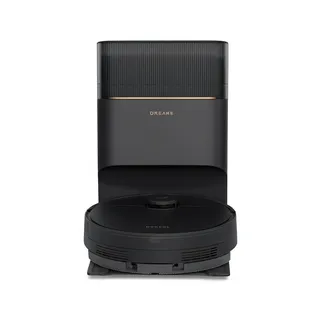
Available in glossy white or black, the finish looks premium but shows scuffs and dust readily, especially on the white model. The black version offers a more forgiving aesthetic. A gold-accented dustbag cover distinguishes this model from the older L10s Ultra’s silver trim.
Regional availability spans North America, Europe, and Asia through Dreame’s official store and major retailers like Amazon and Best Buy. The Chinese version integrates with Xiaomi’s Mi Home app, while international versions use Dreamehome.
Hardware Under the Hood
Suction and Airflow
The Vormax motor delivers 7,000 Pa maximum suction, a notable bump from the predecessor’s 5,300 Pa. Independent tests confirm strong pickup consistent with these specs. Some confusion circulated about an “18,000 Pa” rating, but that applies to a different Dreame product. The 7,000 Pa figure handles hard floors and low-to-medium pile carpet without issue.
Dustbin and Filtration
The onboard dustbin holds about 350 mL, which sounds small until you remember it auto-empties after each run. Debris gets vacuumed into a 3.2 L disposable bag in the base, good for roughly 75 days before replacement. The HEPA-style washable filter traps fine dust and allergens effectively. The dustbag self-seals when removed, so you’re not releasing clouds of dust back into your home.
Brush System and Sensors
A single floating all-rubber brush handles debris without bristles that tangle. Dreame offers an optional TriCut anti-tangle brush with built-in cutters for heavy pet hair situations (sold separately). The stock rubber brush works well on hard floors and reasonably on carpet, though long hair tends to wrap at the ends and needs occasional clearing.
One side brush sweeps edges into the suction path. Navigation combines a spinning LiDAR sensor with a front RGB camera and 3D structured light sensor for obstacle recognition. The system identifies and avoids roughly 55 object types: shoes, cables, pet bowls, and more. Ultrasonic carpet sensors detect when the robot rolls onto carpet.
Battery and Runtime
A 5,200 mAh Li-ion battery powers up to 220 minutes of runtime in quiet mode on hard floors. Practical experience puts this at about 3 hours at low power, dropping to 90-120 minutes at maximum suction. One charge covers approximately 205 square meters (2,200 square feet) in quiet mode. Fast charging gets the battery topped up roughly 10% faster than the older model, and the robot supports recharge-and-resume for larger homes.
Clearance and Mobility
The robot handles thresholds up to 20 mm (0.78 inches), confirmed by independent testing at about 19 mm actual clearance. Standard door transitions and low rugs pose no problem, but anything taller gets tricky. At 97 mm tall, the robot won’t squeeze under very low furniture. Mark off spaces with less than 4 inches of clearance as no-go zones to prevent the robot from wedging itself in awkward spots.
Noise Levels
Expect typical robot vacuum sounds: roughly 60 dB on standard modes (conversation level), climbing to 70 dB on max or when boosting suction on carpet. The auto-empty cycle and mop drying hit around 80 dB briefly. Quick but loud, similar to a Roomba’s Clean Base or Roborock’s dock during emptying.
Mopping System
The DuoScrub Approach
Two round microfiber pads mount underneath and spin at high speed while pressing against the floor. This active scrubbing outperforms simple drag-mops on stains. Dirt detection senses how dirty the pads and floor are, triggering second passes or pad cleaning as needed. The microfiber pads attach via velcro, machine-wash easily, and typically last a few months with regular use.
Mop Lifting
The two mop disks lift up to 10.5 mm off the floor when needed, up from 7 mm in the older model. This small clearance keeps mops off low-pile carpets and rugs to avoid wetting them. Dreame recommends this for carpets under 3 mm pile height; thicker carpets should be designated as no-mop zones. Unlike the flagship L20 Ultra, the L10s Pro Ultra cannot fully retract its mops during a run. For mixed surfaces, the “vacuum then mop” mode handles carpets first with mops lifted, then returns for mopping on hard floors.
Water Management
The robot carries a small 80 mL internal water tank that the base station automatically refills. The base houses two large reservoirs: 4.5 L clean water and 4.0 L dirty water. During operation, the robot periodically returns to rinse its mops and deposit dirty water, allowing it to mop large areas without manual intervention. One user covering 150 square meters daily reports refilling the clean tank roughly once a week.
Hot Water Cleaning
The “Heat” in the name refers to 136 degrees F (58 degrees C) hot water mop cleaning. When the robot docks, the base heats water and scrubs the pads against a grooved washboard. This hot water cleans the pads, not your floors, but the result is visibly cleaner mops and reduced odor compared to cold-water systems. Users consistently report better results than with systems that only use room-temperature water.
Drying
After mopping, the base blows warm air (around 104-122 degrees F) to dry the pads over about two hours. The fan creates noticeable noise, but thorough drying prevents mildew and musty smells. Keep the base station lid slightly ajar after heavy use to vent humidity, and clean the wash tray periodically.
MopExtend Edge Cleaning
The right-side mop pad slides outward a few centimeters to reach walls and corners, addressing the common round-robot problem of leaving gaps along baseboards. Tests show only about a 2 mm strip remains untouched along walls, compared to 1-2 cm with conventional robots. The robot makes a second pass to cover any line left between pads. Users and reviewers praise this feature as making a tangible difference along baseboards.
Solution Dispenser
The base includes a small tank for Dreame’s floor cleaning solution (a bottle comes in the box). The base mixes cleaning solution into the water when washing mop pads. The solution is optional, and some users substitute mild floor cleaners with no ill effects.
Software and App
Mapping and Navigation
LiDAR SLAM mapping creates accurate floor plans within a few centimeters and supports multiple floor maps (at least 3, possibly up to 5). Initial mapping takes just a few minutes. Maps can be edited in the app: name rooms, split or merge areas, set cleaning zones and no-go or no-mop zones. Navigation plans systematic paths room by room. The combination of LiDAR and front AI camera yields excellent coverage, cleaning close to furniture legs while seldom missing spots. In complete darkness, LiDAR handles navigation while the camera adds obstacle avoidance.
Dreamehome App
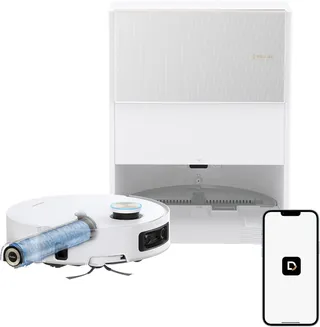
The Dreamehome app (iOS and Android) controls everything: start/stop cleaning, schedule jobs by time or room, adjust suction and mopping levels, set virtual barriers, and monitor accessory life. A live map shows the robot’s path during cleaning and marks detected obstacles with icons. Settings allow room-by-room customization, and an automation section supports if/then routines or smart home triggers.
Android ratings hover around 3.0 stars due to early connectivity and translation issues, though iOS fares better at 4.7 stars. Current users generally find the app functional and feature-rich, despite the legacy of its rough start.
Voice Control and Smart Home
The robot works with Amazon Alexa and Google Assistant for basic commands: start, stop, pause, return to dock, and room-specific cleaning. Only 2.4 GHz Wi-Fi is supported. Matter and HomeKit are not available as of 2025, though some enthusiasts use Homebridge or Siri Shortcuts as workarounds.
Privacy
Images for obstacle avoidance process locally on the device. Cloud saving only activates if you enable home patrol features or explicitly report issues. The live camera feed uses end-to-end encryption and requires manual activation each time. You can disable the AI camera entirely via software toggle or hardware cover if preferred.
Firmware Updates
Dreame regularly pushes OTA firmware updates through the app, improving obstacle avoidance and performance. Updates typically apply in about 10 minutes, and current firmware is stable with no major persistent bugs.
Base Station
Four-in-One Functionality
The base station handles dust auto-emptying, hot water mop washing, heated air pad drying, and automatic water refilling with solution dosing. The robot parks on a removable base plate containing the mop washing area and suction inlet.
Dust Auto-Empty
After cleaning runs, the base’s vacuum motor sucks debris from the robot’s dustbin into the 3.2 L dust bag. Dreame’s DualBoost 2.0 system blows air from one side while vacuuming from the other. The process takes about 10 seconds and gets loud. The bag holds 60-75 days of debris depending on home conditions. Pet-heavy homes trend toward 60 days; low-dust apartments can stretch to 75.
When the bag is full, the app shows an indicator. Replacing bags is straightforward: open the hatch, pull the plastic collar tab, and the bag self-seals. Spare bags run about $15-20 for a pack of three official bags, cheaper for generics. Avoid vacuuming wet debris, as sticky material can clog the emptying port.
Water System
The wash tray has two spinning scrubbing brushes that press against mop pads while the base pumps heated water. Dirty water collects in the 4 L waste tank. Both tanks seal with caps and lift out easily with built-in handles. Fill the clean tank with tap water, optionally adding a capful of Dreame cleaning solution.
Placement Requirements
The base needs roughly 14x17 inches of floor space with 24 inches of height clearance for opening the lid. Leave about 4 inches of side clearance so the robot can maneuver. Place on a hard, level surface; if on carpet, use the included ramp extension plate. Keep it away from direct sunlight to prevent algae in the water tanks.
Optional Plumbing Kit
Dreame sells a separate water hookup kit (around $200) that connects the base to a water line and drain, eliminating manual tank refilling and emptying. This requires positioning the robot near a water source but enables truly hands-free operation.
Maintenance
The app provides alerts for clean water refills, dirty water emptying, dust bag replacement, and periodic mop tray and sensor cleaning. The base has an LED indicator that changes color when attention is needed. Roughly every two weeks, rinse the water tanks and base plate. The washboard plate slides out for cleaning, and the suction filter behind the dust bag should be checked occasionally.
Accessories and Costs
What’s in the Box
The package includes: robot vacuum, base station, 2 mop pads (pre-installed on holders), 2 mop pad holders, 1 side brush, 2 dust bags (1 pre-installed plus 1 spare), 1 bottle of cleaning solution, a cleaning tool (brush with cutter), a base station ramp extension, power cord, and user manual.
Replacement Parts
Dreame sells an official accessory kit for about $90 containing: 2 dust bags, 2 side brushes, 1 main brush, 2 filters, and 6 mop pads. Individual prices run approximately: dustbags $5 each, side brush $10 per pair, main brush $20, filters $15 per pair, mop pads $20 per pair, cleaning solution $10 per bottle. Third-party alternatives exist at lower prices.
Maintenance Schedule
Dreame recommends: main brush every 6-12 months (about 300 hours), side brush every 3-6 months (about 200 hours), filter every 3-6 months (about 150 hours), mop pads every 1-3 months (about 80 hours). Many users stretch these intervals by cleaning and inspecting parts regularly.
Annual Cost Estimate
Using official parts with daily vacuuming and thrice-weekly mopping in a home with pets: expect roughly 6 dust bags ($30), 4 filters ($30), 1-2 main brushes ($20-40), 4 side brushes ($20), 8 mop pads ($40), and 3 bottles of solution ($30). That totals around $150 per year officially. Careful use and some off-brand supplies can bring this closer to $50-80 annually. The TriCut brush ($49) is optional for heavy pet hair situations.
Build Quality and Durability
Construction
The vacuum feels solid with a mix of matte and glossy plastic. Rtings rated build quality at 8.0, noting “high-grade plastic” with a “dense, solid feel.” The dustbin plastic and thin camera trim are the weakest points and could crack if dropped or yanked. The glossy finish scratches easily from abrasive dust when wiped carelessly. Functionally, materials compare favorably to Roborock or Ecovacs flagships.
Potential Failure Points
Long-term user reports highlight a few areas:
Water system: Some owners of the L10s Ultra series reported diminished or stopped water flow after 1-2 years, suggesting possible pump failure or clogged water lines. Using Dreame cleaning solution and avoiding hard water may help prevent clogs.
Vacuum motor: Isolated cases of motor failure within a year exist, though these appear relatively rare and may represent early production issues.
Battery: The 5200 mAh battery follows standard Li-ion degradation patterns over 2+ years. The battery pack can be accessed by removing screws on the bottom, and compatible replacement packs exist.
Mop mechanism: The MopExtend slider and spinning mop motors show no pattern of failures so far.
Maintenance for Longevity
Clean hair from brush ends frequently to reduce motor strain. Rinse mop pads and let them dry thoroughly if storing the robot for extended periods. Occasionally add a bit of vinegar to the tank to inhibit algae in water lines. Empty the dirty tank when prompted to avoid overworking the pump.
Warranty and Support
Coverage
Dreame provides a 1-year limited warranty on the robot and base in most regions, covering manufacturing defects and failures not caused by misuse. Some retailers like Best Buy advertise 3-year parts and labor, which may reflect promotional terms or bundled extended coverage. Dreame sells extended warranty plans separately: 1-year extension for $69 or 2-year extension for $139.
Support Experience
Dreame offers support via email, phone, and live chat. Response quality varies based on user reports. Some owners received prompt warranty replacements while others experienced slow communication and lengthy troubleshooting before resolution. Keeping receipts and buying from retailers with easy return policies (Amazon or Best Buy) provides additional peace of mind.
The user community on r/Dreame_Tech offers valuable peer support, and many questions get answered by experienced owners.
Real-World Performance
Hard Floors
The L10s Pro Ultra Heat excels on hard flooring. Dust, crumbs, rice, and kitty litter get picked up easily on tile and hardwood. Rtings scored hard floor debris pickup at 7.5/10. The rubber brush maintains good contact on flat floors. Combined with mopping, hard floors end up genuinely clean, what many users describe as “clean enough to walk barefoot.” MopExtend reaches along baseboards to eliminate that line of dust most round robots leave behind.
Carpet
Performance is good but not class-leading. Low-pile and medium-pile carpets get handled reasonably well with carpet boost helping. However, the single rubber brush without agitation bristles struggles with deep-seated dirt in thicker carpets. Rtings scored carpet debris pickup at 5.6/10 and pet hair on carpet at 5.0/10, noting the robot tends to roll hair into clumps rather than fully suctioning it from carpet fibers. The “Intensive Carpet Cleaning” mode with double passes at slower speed helps somewhat. For homes with extensive thick carpeting, occasional manual vacuuming supplements the robot’s work.
Pet Hair
On hard floors, the robot collects pet fur tumbleweeds and dander easily. The rubber brush resists tangling long fur, and the auto-empty base keeps you from dealing with hairy dustbins daily. Many pet owners report dramatically reduced hair buildup. On carpets, results are more mixed. Hair may remain on the surface or roll to edges. The optional TriCut brush helps slice up and collect more hair.
Navigation and Obstacle Avoidance
Navigation stands out as a highlight. The robot rarely gets stuck. LiDAR path planning combined with front AI identifies and avoids chair legs, power strips, shoe laces, pet bowls, and toys consistently. When it encounters known obstacles, it marks them on the map with icons and cleans around them. Users describe it as “set-and-forget” with the robot approaching walls and furniture carefully, slowing and stopping just short rather than bumping.
The robot climbs slight ledges easily, handling door transitions and area rug edges. The wheels have good traction and rarely slip.
Coverage and Speed
Cleaning follows efficient patterns at a moderate pace. A typical 100 square meter (1,000 square foot) floor takes about 1 hour to vacuum plus 30-40 minutes to mop with pit stops to wash pads. Coverage is very complete with no randomly missed spots. Navigation organizes rows intelligently, splitting complex rooms and spiraling around table legs.
Specific Debris Types
Large debris like cereal or dry pet food up to pea-size gets handled easily. Larger pieces may get pushed slightly before being sucked up. Items taller than about 2 cm might not fit under the intake. Wet spills should be wiped manually or handled by the mopping function; never vacuum liquids as that could clog the dust system or damage the filter. Fine dust like plaster or flour gets picked up and captured by the HEPA filter.
Pet Compatibility
Daily Maintenance
The robot keeps up with daily pet shedding effectively on hard floors. Users with multiple pets (cats, dogs, even birds scattering seeds and debris) report genuinely cleaner floors. Pet hair tends to accumulate in the dust bag rather than wrapping the brush. The mopping function wipes up paw prints and drool spots regularly.
Pet Reactions
The robot’s relatively quiet operation and non-bumping navigation means most pets get used to it quickly. Cats may observe it warily; dogs might be cautious initially. The loudest part, the auto-empty cycle, can startle skittish pets.
Pet Waste Avoidance
Dreame’s AI obstacle avoidance recognizes small obstacles and may steer clear of pet droppings in many cases, though this is not explicitly guaranteed like iRobot’s j7 advertises. Best practice remains ensuring no pet accidents are on the floor before running the robot. If the robot encounters solid waste, the mess would be disastrous.
Allergen Reduction
Running the vacuum daily significantly reduces hair and dander buildup. The sealed dust handling means you’re not directly exposed to pet hair and dust when emptying, a benefit for allergy sufferers.
Home Environment Fit
Home Size
The robot suits small to large homes. The long battery and resume function cover even 200+ square meter houses given one or two recharge cycles. Multi-story homes can use multiple floor maps, though you’ll need to physically carry the robot between floors. Practically, a 3,000 square foot home falls within capability with maybe one recharge.
Floor Types
Works on hardwood, tile, stone, vinyl, laminate, and low-to-medium carpet. High-pile carpet or shag doesn’t work well, and the robot may get stuck or simply cannot traverse effectively. Area rugs get handled fine if not very thick.
Furniture and Clutter
At 3.8 inches tall, the robot fits under most sofas, beds, and furniture with at least 4-inch clearance. Lower furniture needs blocking off or raising. Around furniture legs and floor objects, obstacle avoidance shines. Thin cords, flat socks, or LEGO bricks may still pose challenges.
Dock Placement
Place the dock on the ground floor near a water source for convenient refilling. Position centrally for easy access to all areas. Avoid tight enclosures; ensure good Wi-Fi coverage at the dock. Keep away from direct sunlight to prevent algae in water tanks and avoid freezing locations.
Competition and Value
Mid-Range Competitors
At its introduction, the L10s Pro Ultra Heat undercut many rivals with similar features. The Roborock Q Revo (about $700) offers auto-empty and mop washing with cold water only and no obstacle camera. The Dreame provides hot water mop cleaning, advanced AI avoidance, and edge mopping that the Q Revo lacks. However, the Q Revo’s dual vibrating mop and reliable build quality give it an edge on tough stains and carpet cleaning.
The Ecovacs Deebot T20 Omni (often $799) features 6000 Pa suction, auto-empty, 40 degrees C warm water mop washing, and 9 mm mop lifting. Dreame’s advantages include better obstacle avoidance and larger water tanks.
The Roomba Combo j7+ ($799) offers auto-empty and a mop that lifts over carpet, but cannot wash or dry its mop, has no clean water tank, and delivers lower suction (around 1700 Pa). The Dreame provides a more comprehensive solution at similar cost.
Flagship Comparison
Dreame’s own L20 Ultra ($1,200) adds dual roller brushes and auto mop pickup where mops retract off the floor entirely. That makes the L20 Ultra better for carpet-heavy homes. Notebookcheck concluded “the surcharge for L20 Ultra is not worth it unless you have a lot of carpets and the 10 mm mop lift is not enough.”
The Roborock S8 Pro Ultra ($1,299) delivers superior carpet vacuuming with dual brushes and vibrating mop pads for certain stains, but lacks MopExtend and uses only warm air (no hot water wash). Dreame’s larger water capacities and hot water cleaning arguably provide more autonomy.
Best Use Cases
The L10s Pro Ultra Heat works best for homes with predominantly hard flooring (where mopping and pad washing shine) and some area rugs or low carpets. It excels for pet owners needing daily fur cleanup and busy households wanting maximum automation. Its obstacle avoidance handles cluttered environments with kids and toys effectively. If your primary need is deep carpet cleaning, a dedicated vacuum or dual-brush robot serves better.
Limitations and Issues
Current Software State
Early firmware bugs like map resetting have been fixed in updates. Current firmware runs stable with no widespread glitches.
Hardware Quirks
The base station needs regular cleaning if you’re particular about cleanliness. The dirty water tank can smell if not cleaned, and the mop tray accumulates grime. Mop pads may not emerge perfectly clean from auto-wash if heavily soiled; hand washing or replacement eventually becomes necessary for aesthetics.
Floor Type Restrictions
Not meant for high-pile carpets (those above about 3 mm in mop modes). Very hardened messes like paint or gum won’t come off. Thick door mats might trip it up, and black-patterned rugs occasionally trigger false cliff detection.
Power Quirk
If the base is unplugged, the robot battery drains rapidly. Power off the robot fully if storing without the base, or leave the base plugged in.
Edge Cleaning Reality
Despite MopExtend, some users still find they need to hand-clean the last 2 inches in areas with cabinet toe-kicks or overhangs the robot cannot reach under.
Quality Control
User reports suggest a portion of units experience failures (pump, fan, etc.) within months. While not the norm, testing all features during the return/warranty period catches early defects.
The Bottom Line
The Dreame L10s Pro Ultra Heat delivers flagship features at a mid-range price. Hot water mop cleaning, extending edge mops, and sharp obstacle avoidance set it apart from similarly priced competitors. Hard floor cleaning excels, pet hair management impresses, and the level of automation genuinely reduces daily cleaning effort. Carpet performance falls short of dedicated vacuum cleaners, and the base station demands some ongoing attention. For homes with hard floors or mixed surfaces, it represents strong value and earns its frequent appearance at the top of “best robot mop-vac” recommendations.