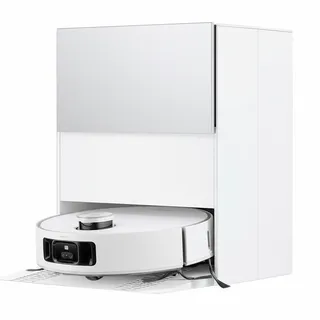
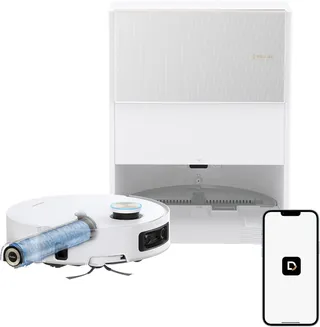
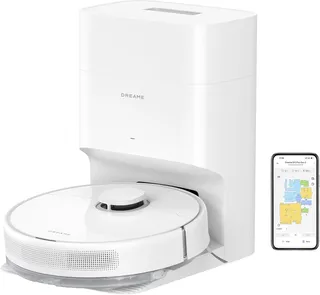
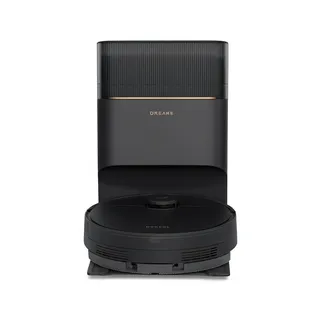
Dreame L20
- mopping self empty mop washing mop drying lidar obstacle avoidance no go zones multi floor carpet boost
Released 2023
Suction
7,000 Pa
Battery
210 min
Navigation
Spinning Lidar
Mopping
2 Spinning Pads
Full Specifications
| Suction Power | 7,000 Pa |
| Battery Life | 210 min |
| Dustbin Capacity | 350 ml |
| Navigation | Spinning Lidar |
| Robot Height | 4.1" |
| Threshold Climbing | 20 mm |
| Brush Roll | Single |
| Mopping | 2 Spinning Pads |
| Mop Raising Height | 10.5 mm |
| Self-Empty Dock | Bagged |
| Dock Bag Capacity | 3.2 L |
| Mop Washing | Yes |
| Mop Drying | Yes |
| Obstacle Avoidance | Yes |
| Objects Recognized | 55 |
| Multi-Floor Maps | Yes |
| No-Go Zones | Yes |
| Carpet Boost | Yes |
| HEPA Filter | Yes |
| WiFi | 2.4 GHz |
| Voice Assistants | Alexa |
| Warranty | 1 year |
Compare with similar models:
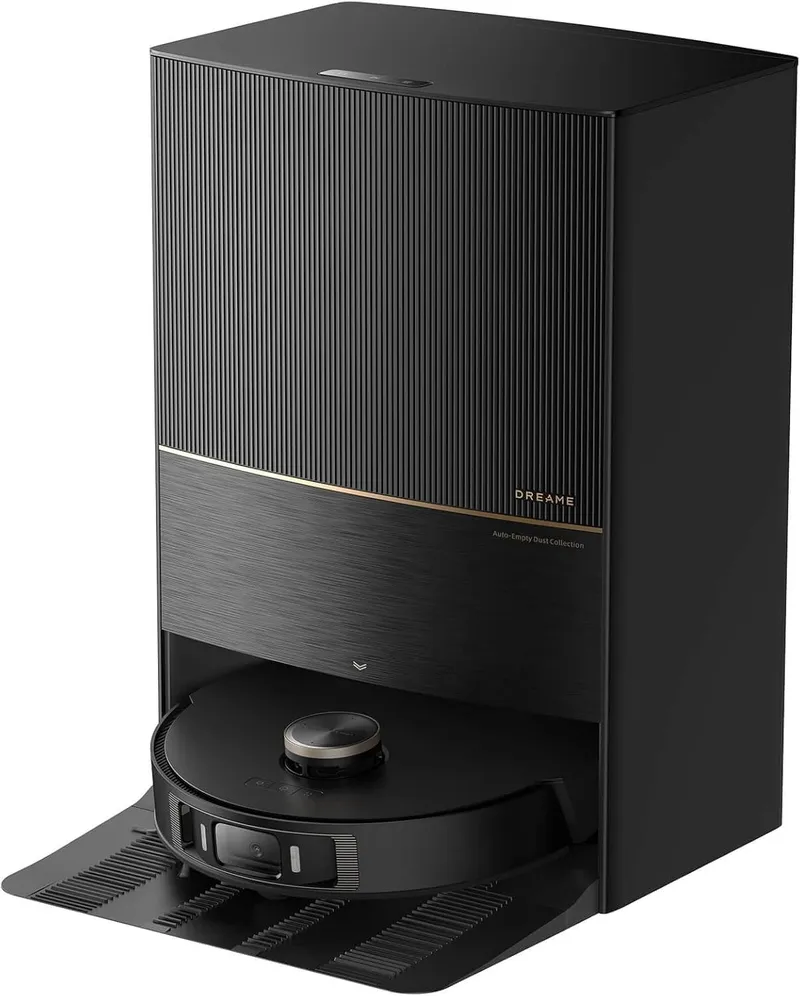
The Dreame L20 Ultra arrived as a flagship robot vacuum-mop at IFA 2023, and it quickly made a name for itself with features that most competitors hadn’t even attempted. This machine doesn’t just vacuum and mop—it washes its own pads, dries them with hot air, removes them entirely when it encounters carpet, and extends one pad outward to scrub right up against baseboards. For pet owners and busy households, that’s the kind of automation that actually makes a difference.
Release and Pricing
Dreame unveiled the L20 Ultra in late August 2023, with European availability starting September 1 in Germany, France, Italy, and Spain. The US market followed by mid-September. Launch prices ran $1,499.99 in the United States, €1,199 in the EU, and £1,099 in the UK. A “Complete” bundle with extra pads and cleaning solution sold for €1,299 in Europe.
By late 2025, prices had dropped significantly. You’ll typically find the L20 Ultra between $800 and $900, and it’s hit as low as $450 during holiday sales. That price drop makes it considerably more competitive against newer models.
Physical Dimensions
The robot measures about 350mm in diameter and 103.8mm tall (roughly 13.8 x 4.1 inches)—standard dimensions for a LiDAR-equipped unit. It weighs 4.3kg (9.5 lbs). The base station is where things get substantial: 606.5 x 426 x 499mm (23.8 x 16.7 x 19.6 inches). That’s a significant footprint, so measure your space before buying.
The base weighs around 13.3kg (29.3 lbs) empty, thanks to its water tanks and drying system. The global model comes in black—a “towering black monolith” as one reviewer described it. No alternate colors have been officially released.
Where to Buy
Dreame sells directly through their website and through authorized resellers including Amazon (ships from and sold by Dreame), Walmart, and Best Buy online. Stick with authorized channels to keep your warranty valid.
Hardware Specifications
Suction Power
The L20 Ultra maxes out at 7,000 Pa of suction. Some unofficial sources early on incorrectly cited 18,000 Pa, but all official documentation confirms 7,000 Pa. That places it among the strongest robot vacuums available in 2023-2024, when the high-end average hovered around 6,000 Pa.
Dustbin and Filtration
The onboard dustbin holds 350mL—small by design, since the robot empties into the base’s 3.2L dust bag after each run. That bag lasts roughly 75 days before needing replacement.
The robot uses a high-efficiency multilayer HEPA-style filter for fine dust and allergens. It’s not officially washable; Dreame recommends replacement every 3-6 months. You can tap or gently vacuum the filter to extend its life, but water washing may damage the filter material.
Brush System
A floating all-rubber roller brush sits centrally under the robot, designed to resist hair tangles. It auto-adjusts height for different floor surfaces. Dreame also sells a separate “TriCut” brush (about $50) with a built-in blade that self-cuts tangled hair—worth considering for pet owners.
A single three-arm plastic bristle side brush sweeps edges. Using just one brush minimizes hair wrapping and debris scatter; it also rotates slower on hard floors to avoid flinging dirt around. Only one side brush comes pre-installed with no spare in the box, so budget for replacements every six months or so.
Navigation
The Pathfinder LiDAR navigation system uses a spinning dToF (direct Time-of-Flight) laser scanner on top. It maps your home in real-time for efficient straight-line cleaning patterns, stores multiple floor maps, and supports virtual walls and no-go zones through the app. LiDAR means it works in complete darkness.
Obstacle Detection
The L20 Ultra combines an RGB camera with a structured light 3D sensor to identify and avoid objects. It recognizes up to 55 types of common obstacles—shoes, cables, pet waste, toys—and routes around them. An ultrasonic sensor detects carpets for automatic mode changes.
Built-in LED headlights illuminate obstacles for the camera in low-light conditions. Privacy-minded users should know that all obstacle images are processed on-device and not uploaded unless you explicitly enable remote viewing.
Battery Life
A 6,400mAh Li-ion battery powers the unit. Official maximum runtime hits 210 minutes (3.5 hours) in quiet mode with vacuum-only or mop-only operation. Real-world mixed cleaning (vacuum plus mop at standard power) typically delivers around 180 minutes—enough to cover roughly 150-160 square meters (1,600 sq ft) on one charge. The robot automatically returns to recharge and resume if needed. Full charge takes about four hours.
Climbing Ability
The L20 Ultra handles thresholds up to 20mm (0.78 inches) according to specs. Independent testing measured successful climbs at around 22mm, slightly exceeding the official figure. That’s above average—most robots manage 15-20mm.
Robot Height
At 103.8mm (4.1 inches) including the LiDAR turret, the L20 Ultra will clear under furniture with about 4.2 inches of clearance. The turret doesn’t retract, so extremely low furniture will be missed.
Noise Levels
The quietest mode runs at 63 dB(A). Standard mode on hard floors hits around 68 dB. Maximum suction on carpet can reach 70-75 dB. The auto-emptying process is the loudest part—roughly 80-90 dB for about ten seconds, comparable to a regular upright vacuum. The mop drying fan produces a gentle hum during extended operation.
Mopping System
Dual Spinning Pads
The L20 Ultra uses the Duo-Scrub system: two round mop pads spinning at high speed to actively scrub floors. This design dramatically outperforms simpler drag-mop systems on tough stains.
The machine-washable microfiber pads measure about 5 inches (12-13cm) in diameter each. They attach via hook-and-loop backing to plastic disk holders. Two holders and two pads come in the box. Replacements are reasonably priced.
MopExtend Edge Cleaning
Here’s where Dreame innovated: the MopExtend system pushes one spinning pad outward by about 1cm when the robot detects a wall. A mechanical arm extends the left-side pad beyond the round chassis to scrub right against baseboards. Testing shows this dramatically improves edge cleaning—users report virtually no dirty strips along walls.
Mop Lifting and Removal
The pads lift about 10.5mm off the floor when the robot encounters carpet. That’s enough clearance for low-pile rugs but won’t clear high-pile carpeting.
For thicker carpets, the L20 Ultra has a trick no competitor matched in 2023: automatic mop pad removal. When enabled, the robot returns to base, detaches both mop pad holders, and vacuums carpets with a bare underside. After finishing carpets, it can retrieve the pads and continue mopping. The process works reliably but adds a couple extra minutes per transition.
Water Management
The robot carries just 80mL of water onboard—tiny, but by design. The base station automatically refills it during pad washing cycles, drawing from a large 4.5L clean water tank. You can add floor cleaning solution (a bottle is included) to the clean water; the system mixes it appropriately.
Mopping Modes
The app offers different mopping settings. Deep Clean mode uses a tighter Y-pattern with overlapping passes for stubborn stains—it takes longer but delivers noticeably cleaner floors. A “vacuum then mop” option lets the robot vacuum first without water, then do a separate mopping pass.
Edge and Corner Performance
MopExtend handles edges excellently. Corners remain a limitation since the robot is round and can’t physically reach deep into 90-degree angles, but MopExtend gets closer than most competitors. The side brush sweeps corner debris out for the vacuum while MopExtend mops right to wall edges.
Pad Maintenance
The robot returns to base at set intervals (default around 10-15 minutes of mopping) to wash its pads. They’re scrubbed against a textured washboard with water and cleaning solution, then spun to remove dirt. After cleaning, hot air drying prevents mildew—up to two hours of heated drying depending on your settings.
Software and App Features
The Dreamehome App
The L20 Ultra connects via 2.4GHz Wi-Fi and uses the Dreamehome app (iOS and Android). The iOS version carries a 4.8-star rating with about 10,000 reviews. Android sits lower at around 3.2 stars with 5-6,000 reviews—many Android users reported early bugs including crashes, slow map editing, and login difficulties.
The app generates interactive floor maps from LiDAR data, including 3D views that identify furniture. It stores multiple floor maps (typically 3-5), lets you label rooms, and set cleaning preferences per room. Drawing no-go zones and no-mop zones is straightforward—just drag squares on the map.
Cleaning Customization
Choose vacuum-only, mop-only, or combined modes. Four suction levels (Quiet, Standard, Strong, Turbo) and three water flow levels are available, and you can customize these per room. Carpet Boost automatically increases suction when carpet is detected. Deep Clean mode makes the robot cover areas twice in a criss-cross pattern.
Scheduling is flexible: set specific rooms, zones, and modes for different days.
Smart Features
The AI system not only avoids obstacles but labels them on the map. It learns high-traffic dirty areas and can suggest cleaning strategies—like recommending more frequent cleaning near entry doors or pet areas.
Voice Control
Amazon Alexa and Google Assistant integration allows basic voice commands: starting, stopping, pausing cleaning, and returning to dock. Room-specific cleaning via voice works depending on skill capabilities.
Apple HomeKit isn’t natively supported—the L20 Ultra lacks Matter support. Advanced users have successfully used Homebridge or Home Assistant with community plugins.
Live Camera and Remote Monitoring
The front camera enables live monitoring through the app. You can manually drive the robot and view its camera feed—useful for checking on pets. Two-way audio through the built-in speaker and microphone lets you talk through the robot.
Camera functions stay off by default; you must actively enable them. Dreame states that obstacle images process locally without cloud upload unless you grant permission. The app allows disabling cloud AI features entirely.
App Experience
Initial setup uses QR code scanning to pair the robot with Wi-Fi—some users needed to retry if the robot didn’t scan immediately. The interface is feature-rich but can feel busy or complex for newcomers. Early versions had awkward translations (buttons that said “The cleaning is paused” instead of “Pause cleaning”), though updates have improved this.
By 2025, the Android app has stabilized—no frequent crashes reported, and users note it “gets updated with new features that are actually good.” Map editing remains somewhat finicky, particularly room splitting and merging.
Connectivity and Integration
Wi-Fi connectivity is robust, automatically reconnecting after power outages. Only 2.4GHz is supported. No official Home Assistant or IFTTT integration exists, though community-developed solutions work for advanced users. Alexa and Google voice control function reliably.
Software Updates
Dreame pushes periodic OTA firmware updates that add features and improve AI. A late 2024 update added quick mapping options. However, one firmware version (4.3.6_1639) caused problems for some users with worse obstacle avoidance, so not all updates are flawless. The app lets you manually trigger updates.
The Base Station
What It Does
The base station handles nearly all daily maintenance: emptying the dustbin, washing and drying mop pads, and refilling water and cleaning solution. It requires a standard power outlet and should sit on a hard, level surface with clearance on the sides.
Size and Design
This is one of the larger docks on the market. Inside, it houses two big water tanks (clean and dirty) and a dust bag compartment under the top lid. You’ll need sufficient overhead clearance (about 25 inches) to open the lid. An included ramp extension helps if your robot struggles to climb onto the dock from thick carpet.
Automatic Emptying
The DualBoost 2.0 suction system empties the robot’s 350mL dustbin after each cleaning session. It takes about 10 seconds. The 3.2L dust bag holds roughly 75 days of debris. The process is loud—around 80 dB—but brief.
Water System
Two 4.5L water tanks handle clean water and waste water. The clean tank refills the robot’s small onboard reservoir as needed during cleaning. After pad washing, dirty water goes into the waste tank. A sensor detects when the waste tank nears capacity.
How often you refill and empty depends on usage. A full clean tank supports several hundred square meters of mopping. Most users top it up weekly or bi-weekly. Don’t let dirty water sit too long—emptying after each extensive cleaning prevents odor.
Mop Washing and Drying
When the robot returns to dock after mopping, the pads spin against plastic scrub boards while the base flushes them with clean water and solution. Dirty water gets sucked into the waste tank. Afterward, hot air drying (around 40-50°C) runs for up to two hours—configurable in the app.
The drying works well: pads come out slightly damp or fully dry, and musty odors are avoided. This is genuine set-and-forget convenience.
Self-Cleaning Features
The base flushes its mop washing tray after sessions to clear residual dirt. The tray is removable for manual cleaning. Dreame includes a small cleaning tool for scrubbing the base and cutting hair from rollers.
Accessories and Maintenance Costs
What’s in the Box
- Robot vacuum (1)
- Automatic base station (1)
- Base station ramp extension (1)
- Dust collection bags (3 total—1 pre-installed, 2 spares)
- Side brush (1, pre-installed)
- Main roller brush (1, pre-installed)
- Mop pad holders (2)
- Microfiber mop pads (2)
- Power cord (1)
- Cleaning tool (1)
- Multi-surface floor cleaning solution (1 bottle, about 450mL)
- Quick start guide and user manual
Everything needed to start is included. The only omission is a spare HEPA filter.
Replacement Part Lifespans
Dust bags: Each 3.2L bag lasts around 75 days with average use. Three-packs cost $15-20 (about $5-7 per bag). With heavy use or pets, expect 50-60 days. Annual cost: roughly $30 for six bags.
Mop pads: Replace every 1-3 months depending on frequency. Two-packs run about $20. Because the base cleans and dries them, many users stretch to three months or more. Annual cost: $40-80.
HEPA filter: Replace every 3-6 months. Two-packs cost about $30. Annual cost: around $30 (two filters per year).
Side brush: Replace every 3-6 months. Two-packs cost about $16. Annual cost: roughly $16.
Main roller brush: Replace every 6-12 months. Cost: about $23. Annual cost: around $23 or less if you stretch beyond a year.
Cleaning solution: The included bottle lasts roughly three months. Replacement bottles cost $15-20—or you can use any mild floor cleaner. Annual cost: about $20 if used consistently.
Accessory Bundles
Dreame sells an accessory kit (around $90) containing one main roller, two side brushes, two filters, six mop pads, and two dust bags. That roughly covers a year of typical use at a slight discount versus buying separately.
Third-party alternatives are starting to appear—generic dust bags, pads, and brushes often work fine and cost less, though quality varies.
Annual Upkeep
Following manufacturer intervals with OEM parts, expect roughly $100-150 per year. Many users extend part lifetimes (washing pads, cleaning filters) and spend closer to $50-80 annually. That’s higher than a simple robot vacuum but typical for flagship 2-in-1 models.
Battery Replacement
The battery isn’t listed as user-replaceable. Dreame hasn’t published pricing or provided easy access. If the battery degrades after a few years, you’d contact support for service or seek a third-party replacement if available. No official replacement kits exist yet.
Day-to-Day Maintenance
The L20 Ultra is designed for minimal intervention. Daily tasks like emptying the dustbin and washing pads are automated. Your main responsibilities:
Weekly or after large sessions: Empty dirty water and refill clean water. The tanks have wide openings and are easy to remove.
Periodically: Clean the base’s mop tray (it slides out), wipe sensors and the camera lens, and rinse the robot’s dustbin. Check the main brush for hair around the ends—the rubber brush rarely tangles badly, but cleaning the ends monthly keeps things running smoothly.
Every few months: Replace filters, side brush, and mop pads as needed. The app tracks usage and sends reminders.
Build Quality and Durability
The L20 Ultra feels like a premium device. The robot is solid with no flimsy parts. Wheels, brush assembly, and lids are sturdy. The base station, while plastic, is robust at 13kg empty. Users who’ve run it for over a year report it’s holding up well with no significant wear.
Known Failure Points
Mop pad detection sensor: At least one user reported a failure where the robot incorrectly thought mop pads weren’t attached, preventing mopping. This appears to be an isolated sensor or magnet issue that requires repair.
Firmware glitches: Some firmware versions introduced bugs like worse obstacle avoidance. Dreame has been active in fixing these via updates.
Cliff sensors on black carpet: Dark floors can trigger false cliff detection, causing the robot to avoid those areas. This is common across robot vacuums, not specific to the L20 Ultra.
Expected Lifespan
With proper maintenance, expect five or more years of service. Li-ion batteries typically last 2-3 years before noticeable runtime reduction. Dreame’s willingness to offer extended warranties (up to three years in some regions) suggests confidence in longevity.
Warranty and Support
Coverage
Most regions get a standard one-year limited warranty on the robot and base. In Europe, Dreame extended this to three years as a launch promotion. The US site shows “3-Year Warranty” prominently, though you may need to purchase extended coverage ($69 for one year, $139 for two years) beyond the standard period.
The warranty covers manufacturing defects but not consumables, misuse damage, or water damage from user error.
Support Channels
Dreame offers email support (aftersales@dreame.tech) and a website support section. Response times vary—some users get replies within two days, others wait over a week. The support experience is generally considered average: not especially quick, but issues eventually get addressed.
Some users have reported frustrating experiences with slow resolution or scripted responses. If you encounter hardware problems under warranty, be prepared to follow up persistently. Keep documentation (photos and videos) ready.
Community Resources
Active communities on Reddit (r/Dreame_Tech, r/RobotVacuums) and Facebook share tips, firmware news, and troubleshooting help. Staff occasionally respond on the official forum with basic advice.
Real-World Performance
Vacuuming
On hard floors, the L20 Ultra excels. It picks up fine dust, crumbs, and pet hair in single passes without scattering debris—the single side brush and strong suction work together effectively. On low and medium-pile carpets, surface dirt and hair come up easily, especially with Carpet Boost enabled.
Deep carpet cleaning is about average for this class. Very thick pile may require extra passes or max power mode. Crevice pickup (dirt in floor cracks) is typical for robots—good but not perfect.
Mopping
This is where the L20 Ultra shines. Floors end up visibly shiny, and the spinning pads with downward pressure remove dried spills that most robot mops leave behind. Tests with dried sticky substances (coffee, juice) showed the pads handling them with minimal residue. Deep Clean mode takes longer but delivers genuinely clean results.
For extremely stubborn, hardened stains (dried paint, old grime in grout), you might still need manual intervention. But for normal household messes—spills, footprints, light mud—this ranks among the best robotic mops available.
Navigation and Coverage
The robot uses efficient zigzag patterns room by room, dividing areas into zones and systematically cleaning each one. LiDAR mapping means it knows where it’s been and adapts when obstacles appear. Users report roughly 98% coverage of accessible floor areas with no obvious misses.
Cleaning a typical floor takes significantly less time than random-navigation robots. One user measured 30 minutes versus 40+ minutes with their previous bot.
Obstacle Avoidance
The AI sensors slow the robot when it approaches obstacles, then navigate around them.
Large obvious objects (shoes, socks, pet bowls, power strips): Very good avoidance—it usually goes around without pushing them.
Pet waste: Independent tests with fake dog poop showed successful avoidance 9 out of 10 times. This gives pet owners real peace of mind.
Cords and cables: Hit-or-miss, as with all robots. Thin charging cables or long wires often aren’t recognized. Some users report degraded cord avoidance over time, possibly from firmware changes or dirty cameras. Best practice: pick up loose cords before cleaning.
Small toys: It dodges larger toys but may vacuum very small pieces. Create no-go zones around play areas or do a quick pickup before running.
Dark environments: LED headlights and LiDAR work together for effective obstacle avoidance even in darkness.
Vacuum Wars gave the L20 Ultra a high obstacle avoidance score (4.17 versus the average 3.41). The main limitation: thin or transparent obstacles remain challenging.
Getting Stuck
Thanks to sensors and a powerful drivetrain, the L20 Ultra rarely gets physically stuck. Potential trouble spots:
- Cables or rug fringes can entangle the brush
- Thresholds above 22mm may high-center the robot
- Very dark rugs may trigger false cliff detection
Community reports of stuck situations are scarce compared to simpler robots.
Floor Types
Hardwood, tile, vinyl: Excellent vacuuming and mopping. Leaves a slight damp trail that dries quickly.
Low-pile rugs: Good vacuuming; lifted pads usually clear low pile without wetting.
Medium-pile carpet: Increased suction handles surface debris well. Won’t mop these.
High-pile or shag: Likely treated as an obstacle. The robot may avoid or back off if wheels sink. This is physics, not a flaw.
Stone floors: Works great; the mop can even buff them to a shine, though deep grooves may not be fully reached.
Navigation Quirks
Large mirrors: LiDAR may see the reflection as open space, causing confusion. Solution: create a virtual wall in front of mirrors.
Rotating chairs: The robot might slightly nudge lightweight swivel chairs while maneuvering.
Multi-floor: Select the correct map manually or let the robot remap—it won’t automatically detect which floor it’s on.
Pet and Home Compatibility
Pet Hair
Excellent pickup. The suction and brush design gather fur without scattering on hard floors and lift it effectively from carpets. The rubber brush resists tangles, so most hair ends up in the dust bag rather than wrapped around the brush. For heavy shedders, you’ll empty the dust bag more often but still far less frequently than manually emptying every run.
Pet Waste Avoidance
The L20 Ultra recognizes pet feces and vomit to avoid them. Independent tests showed successful avoidance in most cases. User feedback confirms no “poop disaster” stories from L20 owners, unlike experiences with older non-AI robots.
Pet Reactions
The robot speaks voice prompts (“Starting cleaning”) which can startle pets initially—volume is adjustable or can be muted. Many cats watch it or ignore it; dogs may bark at first but typically adjust. The robot avoids bumping pets, treating them as obstacles.
Pet Items
Food bowls: Detected and avoided, though removing water bowls during cleaning is wise.
Pet toys: Small toys may get caught. Remove them beforehand.
Litter: Strong suction picks up scattered litter easily around litter boxes.
Pet beds: Results vary by shape and size. The robot may climb low beds or avoid them. Mark problem beds as no-go zones.
Multi-Pet Households
With more hair and occasional accidents, the L20 Ultra shines by reducing owner workload. Users with multiple pets report floors staying consistently clean. The dust bag fills faster (change monthly rather than bi-monthly), but overall satisfaction is high.
Home Layout Compatibility
The robot clears under furniture with 10.5cm+ clearance. For the base station, allow at least 0.5m (1.5 ft) on each side and 1.5m (5 ft) in front.
In cluttered homes, the L20 Ultra navigates impressively but slows down with more obstacles. Less clutter means more thorough cleaning—though you don’t have to pick up every small item since the AI usually avoids socks and cables rather than eating them.
Standard floor transitions up to 20mm work fine. Rug fringes can tangle any robot; tuck them under or mark those rugs as no-go zones.
Cliff sensors reliably prevent falls near stairs. The robot won’t tumble off ledges.
Allergy Considerations
The sealed dust bag reduces dust exposure during emptying. The HEPA filter captures fine particles. Regular mopping reduces dust accumulation. Several allergy sufferers report improved air quality.
Child Safety
The robot moves slowly enough not to injure crawling babies. A Child Lock feature in the app disables robot buttons to prevent kids (or pets stepping on them) from unintended activations.
Comparative Assessment
vs. Roborock S8 Pro Ultra
The S8 Pro Ultra offers dual rubber rollers that excel at agitating carpet for slightly better deep cleaning. The L20 Ultra counters with stronger suction (7,000 Pa vs. 6,000 Pa) and superior mopping. Roborock’s single vibrating pad lifts only 5mm; Dreame’s dual rotating pads lift 10mm plus wash and hot-dry automatically. MopExtend gives Dreame the edge advantage.
Obstacle avoidance goes to Dreame—the S8 Pro Ultra lacks an AI camera and can’t reliably identify pet waste. Roborock’s app is more polished; Dreame’s offers more customization but steeper learning curve.
Bottom line: More carpet and long hair? Roborock’s dual brushes help. More hard floors or pet accident concerns? Dreame L20 Ultra is preferable.
vs. Ecovacs Deebot X1/X2 Omni
Both Ecovacs models use dual rotating mops with auto wash/dry. The X1 Omni’s pads lift only 6mm; the L20’s 10.5mm lift plus pad removal gives it the advantage. The newer X2 Omni is a flat, square design that fits under lower furniture (about 9.5cm tall versus L20’s 10.3cm), but lacks the extending mop feature.
Both brands have experienced software quirks requiring updates. The L20 Ultra typically offers more automation features for similar or lower sale prices.
vs. iRobot Roomba Combo j7+/j9+
iRobot takes a different approach: the Combo’s mop pad lifts on top of the robot to avoid carpets, but there’s no automatic washing or drying. Suction is much lower (around 2,500 Pa on j7, improved but still far below 7,000 Pa on j9). Roombas are robust with excellent customer support, but the L20 Ultra outclasses them in raw cleaning capability.
Bottom line: If you value brand reputation and simplicity over features, consider iRobot. For cutting-edge automation and thorough mopping, the L20 Ultra delivers more.
vs. Dreame’s Own Lineup
The L10s Ultra (2022 predecessor) offered 5,300 Pa, AI obstacle avoidance, and a similar base. The L20 Ultra significantly upgrades suction (7,000 Pa), adds MopExtend and pad removal, and improves AI.
The X40 Ultra (late 2024) sits above the L20: 12,000 Pa suction, dual cameras for 120-object recognition, hot water mop washing. But in real-world testing, the L20 Ultra held its own—the X40’s advantages didn’t always justify the price premium. The L20 Ultra remains a strong value, especially at current sale prices.
Strengths Summary
- Best-in-class mopping (dual pads, edge reach, auto cleaning/drying)
- Innovative mop pad removal for carpets—no competitor matched this in 2023
- Strong 7,000 Pa suction with excellent pet hair handling
- Advanced AI obstacle avoidance for pet waste and floor clutter
- Large capacity base (3.2L bag, 4.5L tanks) for less frequent maintenance
- Continuous software improvements
- Strong price-to-features value on sale
Weaknesses Summary
- Bulky base station—significant footprint
- Complex app with a learning curve
- Customer support can be slow to resolve issues
- No native Matter/HomeKit support
- Loud auto-emptying (typical of the category)
- Single brush vs. some competitors’ dual brushes
Ideal Buyer Profile
The L20 Ultra suits:
- Large homes with mixed floor types
- Pet owners wanting hair pickup and accident avoidance
- Busy individuals and families wanting automated daily cleaning
- Tech enthusiasts comfortable with app customization
- People with mobility limitations who benefit from reduced manual cleaning
It may be overkill for:
- Very small apartments where a simpler robot would suffice
- Tight budgets—initial and maintenance costs are significant
- Tech-averse users who don’t want to manage app settings
Known Issues
Mop Pad Sensor Error
A small number of users have encountered a bug where the robot reports “mop pads are off” even when they’re securely attached. This appears to be a hardware sensor failure requiring warranty repair.
Firmware Regressions
One 2024 firmware update (version 4.3.6_1639) caused problems including worse obstacle avoidance and navigation oddities. Subsequent patches addressed these issues. If an update causes problems, try a factory reset or re-mapping.
Mapping Glitches
Some users report the robot merging rooms incorrectly or doubling room size from mirror reflections. The app allows manual room editing, though it’s not especially intuitive.
False Cliff Alerts on Dark Carpets
Like many robots, the L20 Ultra may stop and report being stuck when on very dark rugs. Cliff sensors interpret dark colors as drops. Solutions include disabling sensors (not recommended near stairs), taping over them (removes cliff safety), or setting no-go zones on problematic dark sections.
High-Pile Carpet Limitations
Very plush carpets and long rug tassels cause problems for all robot vacuums. The L20 Ultra may treat them as impassable or get stuck if tangled. Fold fringes under or exclude these areas.
Runtime Clarification
The “up to 210 minutes” figure applies to quiet mode with vacuum-only or mop-only operation. Normal mixed-mode cleaning at standard power delivers 120-180 minutes—still excellent, just different from the headline number.
Customer Support Variability
Some users have had slow or unhelpful responses when reporting problems. Persistence helps, as does documenting issues with photos and videos. Purchasing from major retailers like Amazon can provide additional return/exchange protection if the manufacturer is slow to respond.
Bottom Line
The Dreame L20 Ultra earned its place as one of 2023’s best robot vacuums by genuinely solving problems others hadn’t addressed. Automatic mop pad removal, edge-reaching mop extension, hot-air drying—these aren’t marketing gimmicks. They’re features that meaningfully reduce the tedium of floor cleaning.
The base station is large and the app takes some learning, but the trade-off is a robot that handles 90% of floor maintenance without your involvement. For pet owners, busy households, or anyone tired of mopping, the L20 Ultra delivers on its ambitious promises.
At current sale prices (often below $1,000), it represents strong value against competitors. Newer models from Dreame and others have arrived since launch, but the L20 Ultra remains a top recommendation for anyone wanting a vacuum-mop combo that actually works.