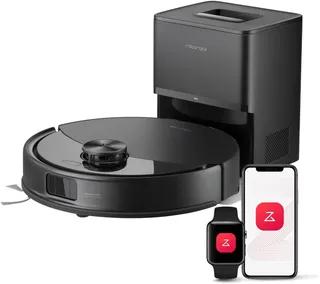
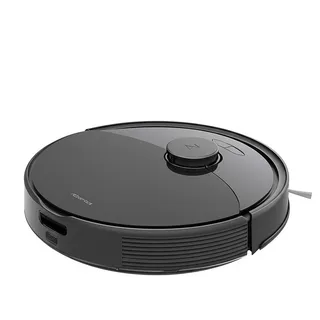
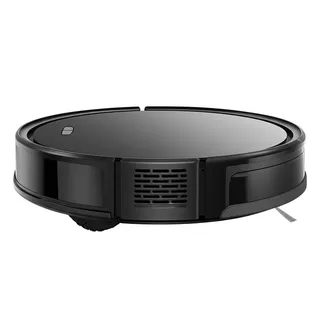
Suction
4,200 Pa
Battery
180 min
Navigation
Spinning Lidar
Mopping
1 Fixed Pad
Full Specifications
| Suction Power | 4,200 Pa |
| Battery Life | 180 min |
| Dustbin Capacity | 470 ml |
| Navigation | Spinning Lidar |
| Robot Height | 3.8" |
| Threshold Climbing | 20 mm |
| Brush Roll | Single |
| Mopping | 1 Fixed Pad |
| Self-Empty Dock | No |
| Obstacle Avoidance | No |
| Multi-Floor Maps | Yes |
| No-Go Zones | Yes |
| Carpet Boost | Yes |
| HEPA Filter | Yes |
| WiFi | 2.4 GHz |
| Voice Assistants | Alexa |
| Warranty | 1 year |
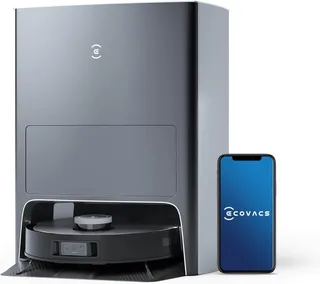
Compare with similar models:
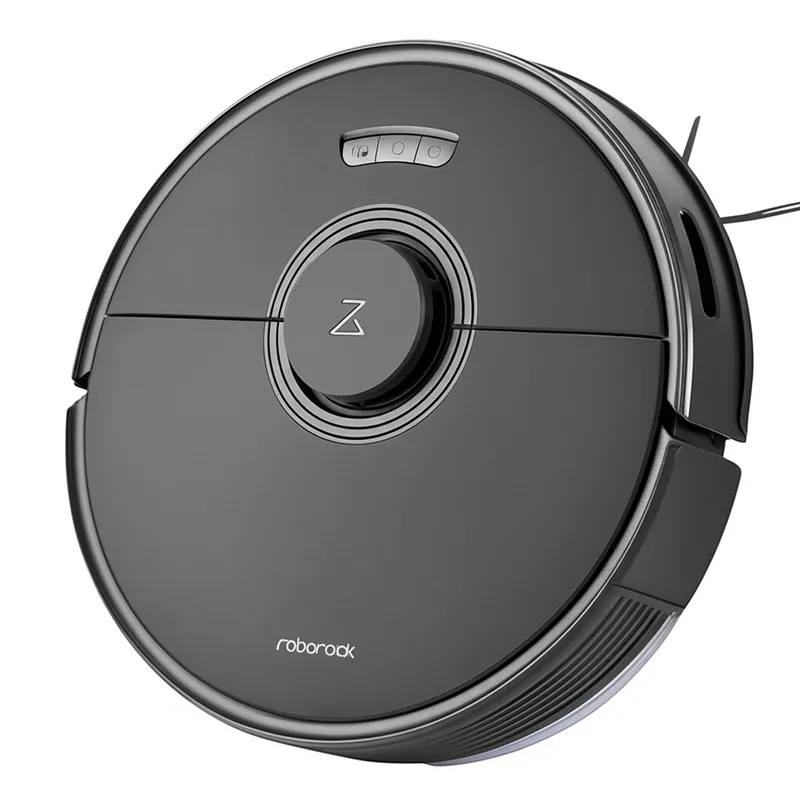
Roborock Q7 Max
The Q7 Max tells a familiar story in consumer tech: yesterday’s $869 flagship becomes today’s $199 budget pick. Released in March 2022, this robot vacuum has aged into a genuinely compelling value proposition, but only if you understand exactly what you’re getting and what you’re giving up.
The Bottom Line Up Front
At its current clearance pricing, the Q7 Max delivers fast LiDAR navigation, a functional (if basic) mopping system, and Roborock’s excellent app. The catch? Zero obstacle avoidance. This robot will barrel through socks, cables, and pet toys with complete indifference. If your home stays reasonably tidy, that’s fine. If you’ve got kids, pets, or a general tolerance for floor clutter, look elsewhere.
What Makes It Fast
The Q7 Max’s navigation stands out even years after release. Independent testing clocked it at 0.88 square meters per minute, the fastest among over 100 models tested. The PreciSense LiDAR system maps methodically in a crisscross pattern, works perfectly in dark rooms, and handles mirrors without collision.
Battery efficiency matches the speed. With a 5,200 mAh battery, you’ll get roughly 180 minutes on Quiet mode, dropping to about 80 minutes when running at maximum power. The robot automatically returns to charge when it hits 20% and picks up where it left off.
Cleaning Performance: A Mixed Bag
Hard Floors
This is where the Q7 Max earns its keep. Fine dust pickup hits 99.9%, sand and particles come in at 99.8%, and larger debris like cereal gets collected reliably. The single rubber roller handles human hair reasonably well without the tangling issues you’d see with bristle brushes.
Carpet
Performance drops noticeably. Deep cleaning effectiveness on low-pile carpet measured at just 69.6% in testing. The rubber brush design that prevents hair tangles also provides less agitation, so embedded particles stay embedded. High-pile carpet actually performs better since the debris sits closer to the surface.
Pet Hair
Here’s where the Q7 Max genuinely struggles. The single rubber brush presses pet hair into carpet fibers rather than lifting it. Households with shedding pets should look at dual-roller alternatives like the Q7 M5 or Q8 Max.
The Mopping Reality Check
The 350ml water tank connects to an electronic pump system with 30 adjustable water flow levels, more granular control than most competitors offer. But here’s what the marketing glosses over: this is passive mopping. No vibration, no scrubbing action, no automatic lifting on carpet.
You’re essentially dragging a damp microfiber cloth across your floor. Light dust and fresh spills get handled adequately. Dried stains, sticky messes, or anything requiring actual scrubbing? You’ll need to pre-soak the pad or handle it yourself. The S7 MaxV’s VibraRise technology actually scrubs. The Q7 Max just wipes.
And if you have carpet mixed with hard floors, you’ll need to manually remove the mop attachment before carpet cleaning or set up no-mop zones in the app. The mop pad stays down regardless of surface.
The Obstacle Avoidance Problem
This deserves emphasis because it’s the single biggest limitation. The Q7 Max has no front-facing camera, no 3D sensors, and no object recognition whatsoever. It navigates around walls and furniture using LiDAR, but anything smaller than a shoe gets run over.
Cables get tangled in the brush. Socks get sucked into the dustbin. Pet bowls get knocked around. And if your pet has an accident on the floor, the Q7 Max will spread it across your entire home before you realize what’s happened.
Newer models like the Q8 Max and Q10 series include Reactive Tech obstacle avoidance. The price difference is worth considering if floor clutter is a regular occurrence in your home.
App and Smart Features
The Roborock app remains one of the better robot vacuum companions available. You get 2D and 3D mapping with customizable furniture textures, support for up to four separate floor maps, virtual walls and no-go zones, room-specific scheduling, and Amazon Alexa and Google Home integration.
The 30-level water flow control gives unusually fine-grained mopping adjustment. Carpet boost automatically increases suction on rugs. Do Not Disturb mode prevents cleaning during specified hours.
Setup takes about 5-10 minutes, and initial mapping runs 15-20 minutes for a typical home. One annoyance: you’ll need 2.4 GHz WiFi since 5 GHz isn’t supported.
Noise and Everyday Living
Quiet mode runs at 59.3 dB, genuinely whisper-quiet and easy to have a conversation around. Balanced and Turbo modes stay in the low 60s. Max mode jumps to 74.8 dB, noticeably loud and potentially disruptive for noise-sensitive households or pets.
Dock Options
The standard Q7 Max comes with a charging-only dock. The Q7 Max+ version includes the Auto-Empty Dock Pure, which transfers debris from the robot’s 470ml bin into a 2.5-liter collection bag. Figure on replacing bags every seven weeks at roughly $5.33 each (six-packs run $32).
Neither dock washes or dries mop pads. That feature lives in the premium Qrevo series.
Known Problems
LiDAR Sensor Failures
Multiple user reports describe LiDAR failures at the 12-18 month mark. Some get resolved under warranty; many don’t.
Cliff Sensor False Positives
Black rugs trigger the cliff sensors, causing the robot to refuse entering rooms or constantly backing away. The workaround involves covering sensors with white tape, which is tedious and affects navigation accuracy.
Dustbin Size
At 470ml, the bin fills quickly in larger homes without the auto-empty dock. Expect to empty it every one to two cleaning runs.
Warranty Frustrations
Customer service reviews on Trustpilot paint an inconsistent picture. RMA processes reportedly take 2-8 weeks, warranty claims are sometimes denied with minimal explanation, and some users report sent units never returning.
Who Should Buy This
The Q7 Max makes sense for hard floor homes with minimal clutter, buyers who want a vacuum and light mop combo under $250, small to medium apartments under 1,500 square feet, and tech-savvy users who appreciate app customization options.
Skip this one if you have multiple shedding pets, your home regularly has small objects on the floor, you need actual stain removal from mopping, or you have black rugs or dark carpets throughout.
Current Pricing and Value
Originally $599 for the standard dock and $869 with auto-empty, the Q7 Max now clears at around $199. That’s genuinely excellent value if your use case matches its strengths.
But the newer Q7 M5 runs about $299, delivers 10,000 Pa of suction (more than double), and includes a dual anti-tangle brush system that handles pet hair far better. For an extra hundred dollars, you’re getting a meaningfully superior machine.
Specifications
| Category | Details |
|---|---|
| Suction Power | 4,200 Pa |
| Dustbin Capacity | 470ml |
| Water Tank | 350ml |
| Battery | 5,200 mAh, 180 min max runtime |
| Robot Height | 3.8 inches |
| Robot Weight | 8.38 lbs |
| Navigation | PreciSense LiDAR |
| Filter | E11 HEPA (washable) |
| Noise Range | 59.3-74.8 dB |
| WiFi | 2.4 GHz only |
| Voice Control | Amazon Alexa, Google Home, Siri Shortcuts |
| Warranty | 1 year |
| Colors | Black, White |
Maintenance Costs
Annual upkeep runs roughly $70-140 with the standard dock, covering filter replacements every 3-6 months and brush replacements every 6-12 months. Add the auto-empty dock and you’re looking at $300-400 annually once you factor in dust bags.
Third-party replacement parts are widely available for filters, brushes, and mop pads. Official Roborock parts cost more but maintain warranty coverage.