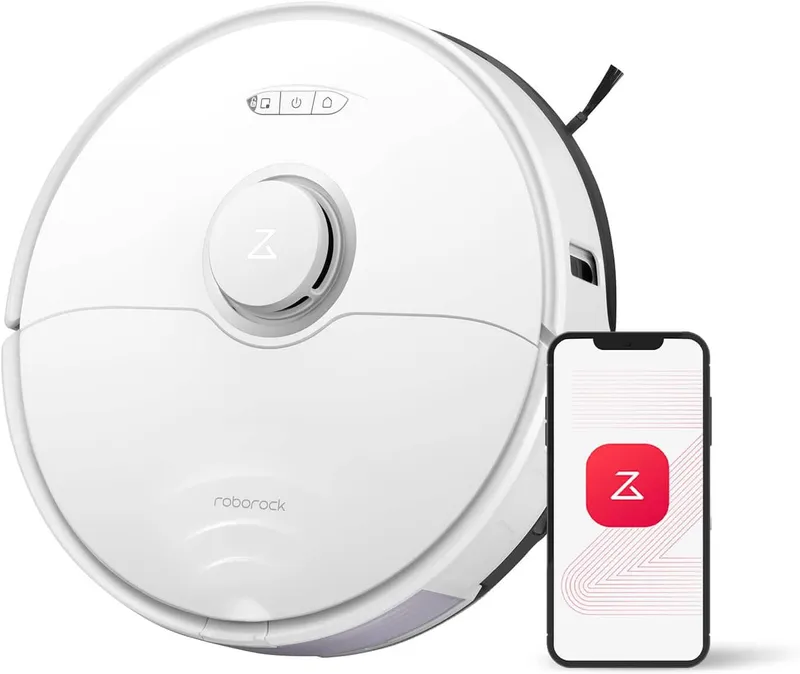
Roborock S8
Released 2023
Suction
6,000 Pa
Battery
180 min
Navigation
PreciSense LiDAR
Mopping
VibraRise Single Vibrating Pad
Full Specifications
| Suction Power | 6,000 Pa |
| Battery Life | 180 min |
| Dustbin Capacity | 400 ml |
| Navigation | PreciSense LiDAR |
| Robot Height | 3.8" |
| Threshold Climbing | 20 mm |
| Brush Roll | DuoRoller (dual rubber rollers) |
| Mopping | VibraRise Single Vibrating Pad |
| Mop Raising Height | 5 mm |
| Self-Empty Dock | No |
| Obstacle Avoidance | Yes |
| Multi-Floor Maps | Yes |
| No-Go Zones | Yes |
| Carpet Boost | Yes |
| HEPA Filter | Yes |
| WiFi | 2.4 GHz |
| Voice Assistants | Alexa |
| Warranty | 1 year |
Compare with similar models:
The Roborock S8 sits at an interesting crossroads. On paper, it looks like a fantastic deal: 6,000Pa suction, a vibrating mop, LiDAR navigation, and obstacle avoidance—all bundled into what’s supposed to be an affordable entry point to Roborock’s premium lineup. With a list price of $750 that regularly drops to $550 during sales, budget-conscious shoppers often find themselves tempted. But dig into owner experiences, and a more complicated picture emerges. Navigation quirks, mopping limitations, and customer service headaches have frustrated more than a few buyers who expected set-it-and-forget-it convenience.
What’s Actually in the Box
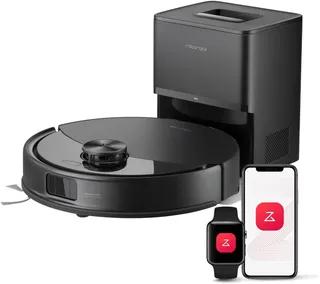
The base S8 comes with just the robot and a simple charging dock—nothing fancy. You get a 300ml water tank, one microfiber mop cloth, and the standard accessories. No spare filters, no extra brushes. If you want the auto-empty dock, you’ll need to step up to the S8+ ($700-800 street price). The full RockDock Ultra with hot water mop washing? That’s S8 Pro Ultra territory at around $1,500.
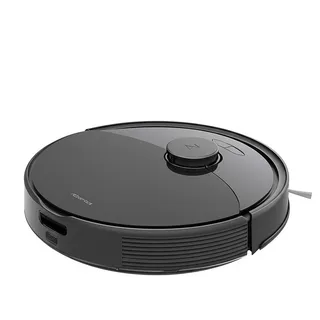
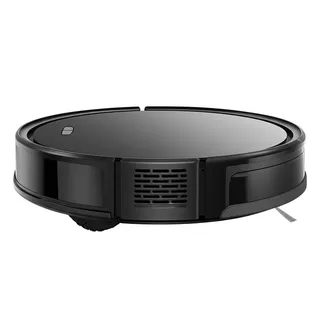
Physical specs: The robot measures 13.9 x 13.8 x 3.8 inches and weighs about 10 pounds. That 3.8-inch height lets it squeeze under most furniture, though some owners report tight clearances under 3.5 inches can be problematic. Available in white or black.
The DuoRoller Brush Makes a Real Difference
Here’s where the S8 genuinely improves on its predecessor. The dual rubber roller system spins in opposite directions, grabbing debris more effectively than the S7’s single roller. Pet owners especially notice the difference—hair tangles are dramatically reduced, and you’ll spend far less time doing maintenance surgery on a wrapped-up brush.
The 6,000Pa suction (certified to IEC standards) delivers across five power modes, from whisper-quiet to Max+. That 400ml dustbin fills up faster than you’d expect in pet-heavy homes, but it’s actually larger than what you get with the fancier S8+ and Pro Ultra models (350ml on those).
Independent testing puts fine particle pickup around 97.9%, and the robot handles everything from cereal to rice crumbs without much fuss on hard floors. Deep carpet cleaning scored 84% in tests—respectable but not class-leading.
Navigation: Mostly Good, Sometimes Frustrating
The PreciSense LiDAR system maps your home accurately, and the Reactive 3D obstacle avoidance (combining structured light with infrared) generally does its job. You can store up to four floor plans, draw virtual walls, and schedule room-by-room cleaning through the app.
But here’s where things get irritating for some users: maps can shift unexpectedly between cleaning runs. One day your perfectly configured zones are fine; the next, the robot seems to have reimagined your floor plan. This forces periodic remapping and undermines the whole convenience factor. The robot also gets stuck more often than you’d expect—roughly once every four or five cleaning runs, according to user reports. Rug fringes, low furniture, and floor transitions are the usual culprits.
Dark floors and black rugs present a known issue. The infrared cliff sensors mistake them for ledges, causing the robot to avoid those areas entirely. Workarounds exist (reflective tape over sensors, white index cards), but they’re not exactly elegant solutions.
Mopping: Adequate, Not Amazing
The VibraRise system vibrates the mop pad at 3,000 oscillations per minute and lifts 5mm when crossing carpet. Sounds good on paper. The reality? A single center water outlet means the pad edges start drying out within about 10 minutes. Many owners report needing to pre-wet the mop pad manually for effective cleaning.
For light maintenance mopping on hard floors, it works fine. For dried spills or anything requiring actual scrubbing power, you’ll be disappointed. The newer Max models added multiple water outlets to address this, but the base S8 is stuck with the original design.
The 300ml water tank limits you to smaller rooms before needing a refill—figure around 3,200 square feet maximum if you’re willing to pause and refill.
Battery and Runtime
A 5,200mAh battery delivers up to 180 minutes on quiet mode, dropping to around 90 minutes at Max+. Independent testing found the S8 slightly less efficient than previous Roborock models despite identical battery capacity—expect roughly 1,200 square feet per charge on lower power settings.
Battery degradation is real. One long-term tester measured capacity dropping from 5,200mAh to about 4,900mAh after a year of daily use. Replacement batteries run $50-70.
The App Experience
The Roborock app rates 4.8 stars on iOS and 4.6 on Android—strong numbers reflecting genuinely intuitive design. You get live path tracking, custom routines, scheduling, no-go zones, and the basics like Alexa and Google Home integration.
On privacy, Roborock does things right: maps stay local on the device, photos are encrypted and deleted after each session, and the company holds TUV Rheinland certification for IoT privacy. The base S8 lacks live video monitoring and pet checkup features—those are reserved for MaxV models with cameras.
Durability and Maintenance Concerns
Owner reports reveal several weak points:
Common failures within warranty: LiDAR sensor malfunctions (makes navigation impossible), cliff sensor issues, and water tank seal leaks on Pro/MaxV models. The mopping vibration module sometimes develops grinding sounds.
Expected lifespan varies wildly. Light users report 5-8 years; typical daily use suggests 3-4 years; heavy users with minimal maintenance might see failures within 1-2 years.
Annual maintenance costs add up to roughly $220, or about $18 monthly. That covers filters, brushes, mop pads, and cleaning solution. Third-party parts from AliExpress cost 50-70% less but quality is inconsistent.
The Customer Service Problem
This is where Roborock loses significant goodwill. User reviews on Trustpilot and Reddit paint an ugly picture:
- Email responses take 1-2 weeks
- Valid warranty claims get denied with accusations of “user damage” or “liquid infiltration”—ironic for a machine designed for wet mopping
- RMA packages occasionally get lost
- Representatives often deflect blame onto customers for what appear to be manufacturing defects
For a product potentially costing $1,400+, this level of support is hard to justify.
How It Stacks Up
Against the Roomba J7+ (~$800): If mopping matters, the S8 wins by default since the Roomba doesn’t mop. For pure vacuuming and pet waste detection, the Roomba pulls ahead. Its PrecisionVision obstacle avoidance handles pet accidents better, and iRobot’s customer service is more responsive.
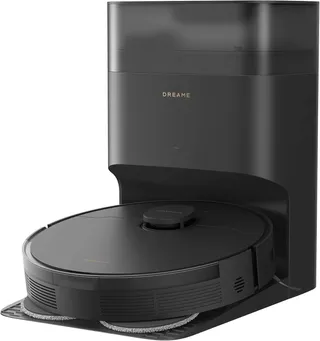
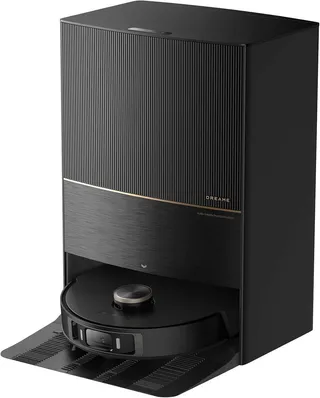
Against the Dreame X40 Master (~$1,100): Dreame offers 12,000Pa suction versus Roborock’s 6,000Pa, plus dual oscillating mops that outperform VibraRise significantly. Dreame recognizes 120 obstacle types compared to Roborock’s 42. At a lower price point, Dreame delivers arguably better value—though its app crashes more often.
Versus the S7: The upgrade makes sense primarily for obstacle avoidance (the S7 had none) and better pet hair handling with the DuoRoller brush. Mopping performance is essentially identical.
Who Should Buy This
The S8 works well for homes with mostly hard floors who want vacuuming and light mopping in one package. It suits pet owners dealing with shedding (not accidents), buyers comfortable with occasional troubleshooting, and anyone who can snag one at a deep discount.
It’s a poor fit for people expecting spotless mopping results, homes with dark carpets, pets prone to indoor accidents, or anyone who needs reliable warranty support.
The Bottom Line
The Roborock S8 delivers solid specifications at its discounted price points. The DuoRoller brush genuinely improves on previous generations, LiDAR navigation works well most of the time, and the app experience is among the best in class.
But the gap between marketing promises and real-world performance is wider than it should be. Navigation instability forces periodic remapping. The mopping system has fundamental design limitations. And if something breaks, you’re dealing with one of the industry’s more frustrating support experiences.
Best buying strategy: Wait for holiday sales when Roborock drops prices 40-50% off MSRP. At $550-750 for the base S8, it becomes competitive with budget alternatives and worth the compromises. At full MSRP, the value proposition gets considerably harder to defend.